
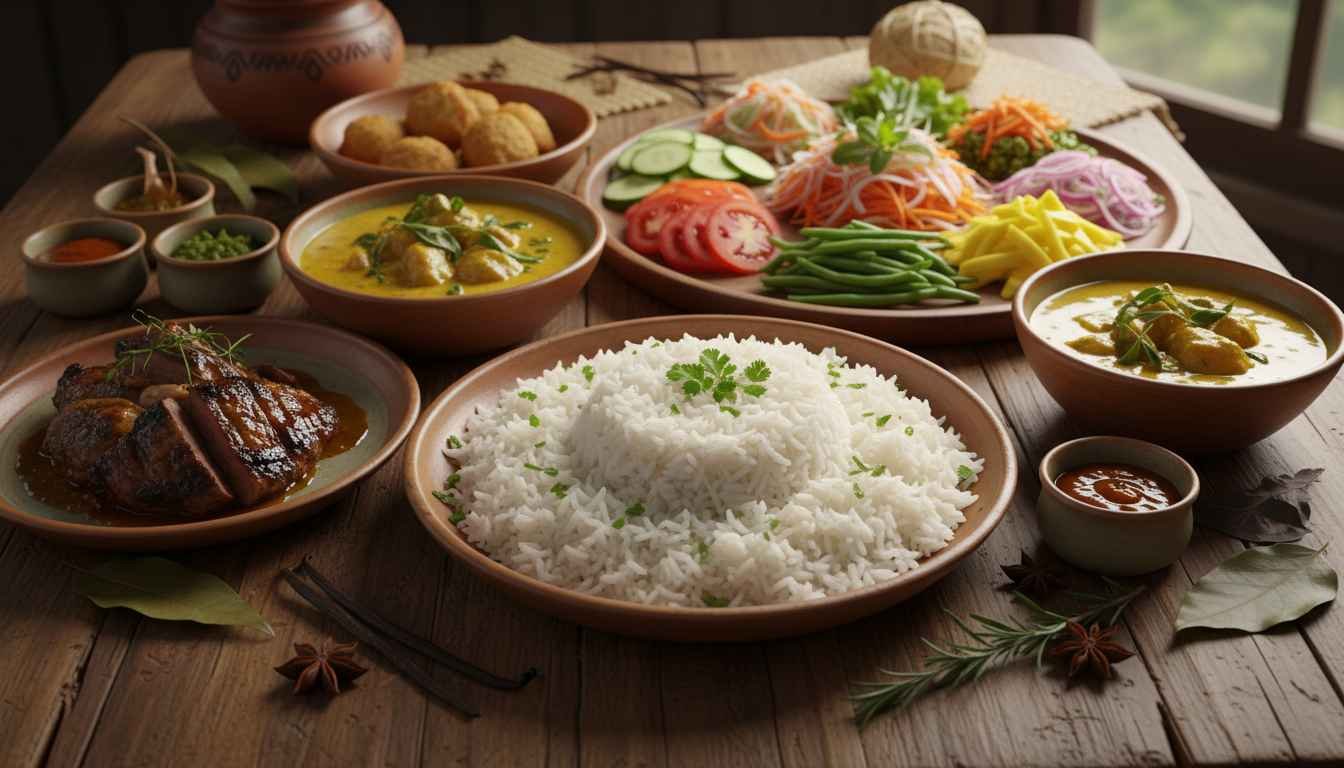
The smoky aroma of roasted vanilla beans mingles with the tropical sweetness of fresh lychees, while a simmering pot of coconut milk-infused seafood stew sends tendrils of scent across a sun-drenched Malagasy kitchen. You’re ready to recreate Madagascar’s culinary magic at home, but before you dive in, there are pitfalls that can turn a promising dish into a lackluster imitation.
First, let’s tackle the foundation: ingredients. Madagascar is home to some of the world’s most unique spices and produce. Vanilla, clove, cinnamon, and ginger dominate the palate, but many home cooks make the rookie mistake of using generic substitutes or pre-ground versions that lack punch. There’s a subtlety to freshly harvested Malagasy spices that can’t be faked with store-bought equivalents. If you skip this step, your dish will taste like any other tropical-inspired recipe rather than an authentic journey to the island.
Another common misstep is misjudging cooking times. Malagasy recipes often rely on slow-simmering methods to coax out the depth of flavor, particularly in dishes like Romazava, a hearty meat and greens stew. Impatience is the enemy here; rushing these recipes by increasing heat or cutting corners can produce tough meat and flat vegetables. Remember, flavor builds over time, and patience is non-negotiable.
Many aspiring cooks underestimate the importance of balancing flavors. Madagascar cuisine is not just about heat or sweetness – it’s about the interplay of multiple elements. A zesty ginger kick must harmonize with coconut milk’s creaminess, while a hint of lime or tamarind should lift the dish without overpowering it. Too often, recipes fail because cooks overcompensate with one dominant flavor, losing the delicate balance that makes Malagasy dishes so memorable.
When it comes to seafood, freshness is king. Madagascar’s coastal recipes, like Akoho sy Trondro (chicken and fish stew), demand ingredients at their peak. Using frozen or low-quality fish is a sure way to sabotage authenticity. Likewise, certain vegetables like brèdes mafana or anamamy greens don’t respond well to overcooking; they need a delicate touch to retain both texture and color.
A more subtle mistake is ignoring regional variations. Madagascar’s cuisine is far from uniform – what works in Antananarivo may not reflect the coastal flavors of Toamasina. Ignoring this diversity can result in recipes that feel generic and uninspired. Consult authentic sources or local cookbooks whenever possible to respect the regional character of each dish. For inspiration, Cake ‘n Knife offers curated guides that highlight these differences without sacrificing flavor or technique.
Another trap is overcomplicating simple recipes. Malagasy cuisine often celebrates the purity of ingredients, relying on straightforward methods that highlight freshness and natural aroma. Overloading a dish with excessive spices or sauces may obscure its inherent taste. Simplicity, when executed correctly, produces a depth that heavy-handed cooking cannot replicate.
Potential Drawbacks
Even if you follow recipes to the letter, some dishes may not translate perfectly outside Madagascar due to ingredient availability and climate differences. Certain fruits, leafy greens, and seafood varieties are near-impossible to source elsewhere, which can alter the final taste. Additionally, some Malagasy meals are naturally spicy or heavily seasoned; if you’re sensitive to heat or unfamiliar flavors, proceed cautiously.
Who Should Avoid This
Home cooks looking for quick, one-pot meals without preparation time may struggle. Authentic Malagasy food requires patience, ingredient hunting, and a willingness to embrace slow cooking techniques. If you prefer instant gratification over the nuances of flavor layering, these recipes might frustrate rather than delight.
Summary
Madagascar food recipes are a celebration of spice, freshness, and regional authenticity, but the path to replicating them is littered with pitfalls. Avoid generic spices, rushing cooking times, unbalanced flavors, low-quality seafood, and ignoring regional differences. Embrace patience, respect simplicity, and source the freshest ingredients possible. While not every element may be accessible globally, a careful approach ensures your Malagasy dishes are both vibrant and true to tradition.
