
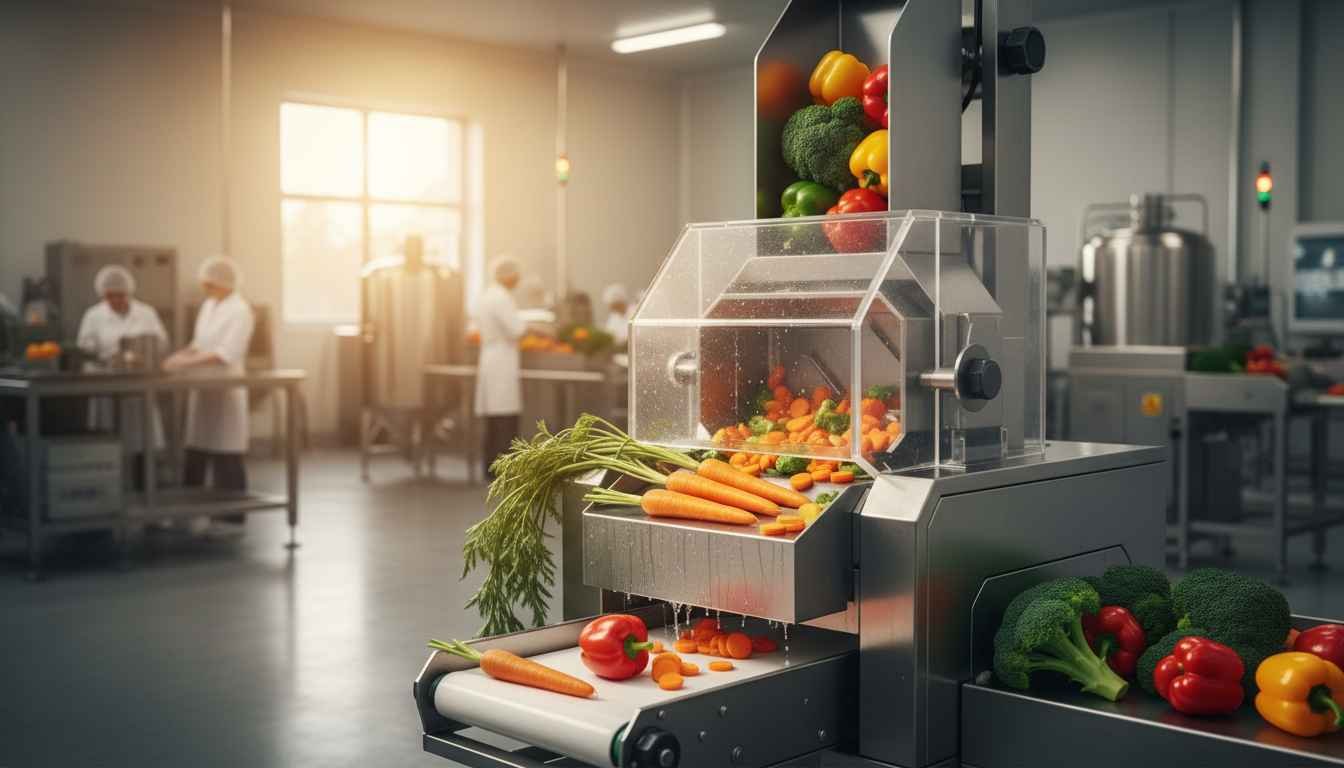
The clatter of stainless steel machines fills the bright, sterile hall as fresh carrots, leafy greens, and vibrant bell peppers glide along the conveyor belt. The aroma of washed vegetables mingles with the faint scent of steam rising from blanching vats, painting a picture of precision and care. This is not just a kitchen; it’s a complex system where raw produce transforms into packaged, shelf-ready foods, a dance of science and efficiency.
Interview with Dr. Fiona Kelly, Food Processing Specialist
Q: Dr. Kelly, could you explain what vegetable food processing entails?
A: Absolutely. Vegetable food processing refers to the methods and techniques used to convert fresh vegetables into products that are safe, convenient, and stable for consumption. This can include washing, peeling, chopping, blanching, freezing, canning, and even creating ready-to-eat meals. Essentially, it’s about extending shelf life and improving food safety while maintaining nutritional quality and flavor.
Q: What are the most common methods used in vegetable food processing?
A: The main techniques include thermal processing, freezing, dehydration, fermentation, and vacuum packing. Thermal processing, such as blanching and pasteurization, helps deactivate enzymes and kill harmful microorganisms. Freezing preserves texture and nutrients. Dehydration removes water to inhibit microbial growth, while fermentation can enhance flavor and shelf life. Vacuum packing limits oxygen exposure, which slows down spoilage. Each method has its specific applications depending on the vegetable and intended product.
Q: How do these processes impact nutritional value?
A: That’s a crucial question. Processing inevitably affects nutrient content to some degree. For example, blanching may reduce vitamin C, but it also inactivates enzymes that would otherwise degrade other nutrients. Freezing is relatively gentle and preserves most vitamins. Dehydration concentrates certain nutrients but can reduce heat-sensitive ones. It’s a balance between safety, shelf life, and nutritional retention. There is still ongoing research into optimizing these processes to minimize nutrient loss.
Pros and Cons of Vegetable Food Processing
✔ Increased shelf life allowing vegetables to reach wider markets
✔ Improved food safety by reducing microbial contamination
✔ Convenience for consumers with ready-to-eat or pre-prepared options
✔ Potential to reduce food waste by preserving surplus produce
✖ Nutrient loss during certain processing methods
In Indian culture, the practice of consuming seeds after meals is steeped in tradition and offers a delightful end to a culinary experience. These seeds, often flavored with spices and sugar, serve not only as a digestive aid but also as a way to cleanse the palate. As we delve into the article titled “Indian Food After Dinner Seeds And The Science Behind This Ritual,” we will explore the various types of seeds commonly enjoyed and their health benefits. Understanding the significance of these practices can enhance our appreciation for indian food after dinner seeds, turning a simple routine into a meaningful ritual that connects us to a rich cultural heritage.
✖ Potential use of additives or preservatives in some products
✖ Higher energy and resource use in large-scale processing
✖ Loss of natural texture or flavor in heavily processed vegetables
Q: Are there specific vegetables that are more suitable for processing than others?
A: Yes, root vegetables like carrots, potatoes, and beets hold up well during thermal and freezing processes. Leafy greens can be challenging because they wilt and lose texture quickly, but blanching and freezing help. Tomatoes and peppers are excellent for sauces, purees, and canned goods. The water content, cell structure, and enzyme activity of each vegetable largely determine its suitability.
Q: How do small-scale producers manage vegetable processing?
A: Small-scale operations often focus on minimal processing to preserve the natural characteristics of the produce. Techniques like steam blanching, cold storage, and vacuum packing are common. Many also explore value-added products such as pre-cut salad mixes or fermented vegetables. It’s a way to provide convenience without heavily industrializing the product. If you’re curious about traditional home-based processing methods and recipes, you can explore Welcome to Irish American Mom’s Recipes and Ramblings for a wealth of ideas.
Q: What about food safety and regulations?
A: Food safety is non-negotiable. All vegetable processing operations must comply with local and international standards. This includes proper washing, temperature control, sanitation, and traceability. HACCP (Hazard Analysis Critical Control Point) systems are widely used to identify and mitigate risks at every stage of production. Despite best practices, it’s always important to recognize that contamination can occur, so vigilance is key.
Potential Drawbacks
Not every consumer benefits equally from processed vegetables. Individuals with sensitivities to preservatives, or those seeking entirely raw options, may want to avoid heavily processed items. Additionally, some processing methods can increase energy use and environmental impact, which is an ongoing consideration for sustainability-focused producers. Finally, some highly processed vegetables may lose the texture and flavor that makes fresh produce appealing.
Q: How is technology shaping the future of vegetable food processing?
A: Advancements in automation, smart sensors, and predictive analytics are revolutionizing the industry. Machines now can sort and grade vegetables by quality with high precision, reducing waste. New packaging materials enhance shelf life while being more environmentally friendly. Research into non-thermal preservation methods, like high-pressure processing, is expanding options for maintaining nutrients without heat damage. The future is leaning toward safer, more sustainable, and nutritionally optimized processed vegetables.
Q: Any closing advice for someone entering vegetable food processing?
A: Start with understanding the basics of food safety, quality control, and vegetable biology. Experiment with small-scale processing to see what works best for each vegetable type. Stay informed on emerging technologies and sustainability practices. And remember, processing is not just about convenience; it’s about making vegetables accessible, safe, and enjoyable for more people.
Conclusion
Vegetable food processing bridges the gap between farm and table, offering both convenience and safety to consumers while also presenting challenges in maintaining nutrition and minimizing environmental impact. By understanding the methods, pros, and potential drawbacks, producers and consumers alike can make informed choices about how vegetables are handled and enjoyed. Whether for large-scale operations or home-based ventures, the art and science of vegetable food processing continue to evolve, reflecting both tradition and innovation.
