
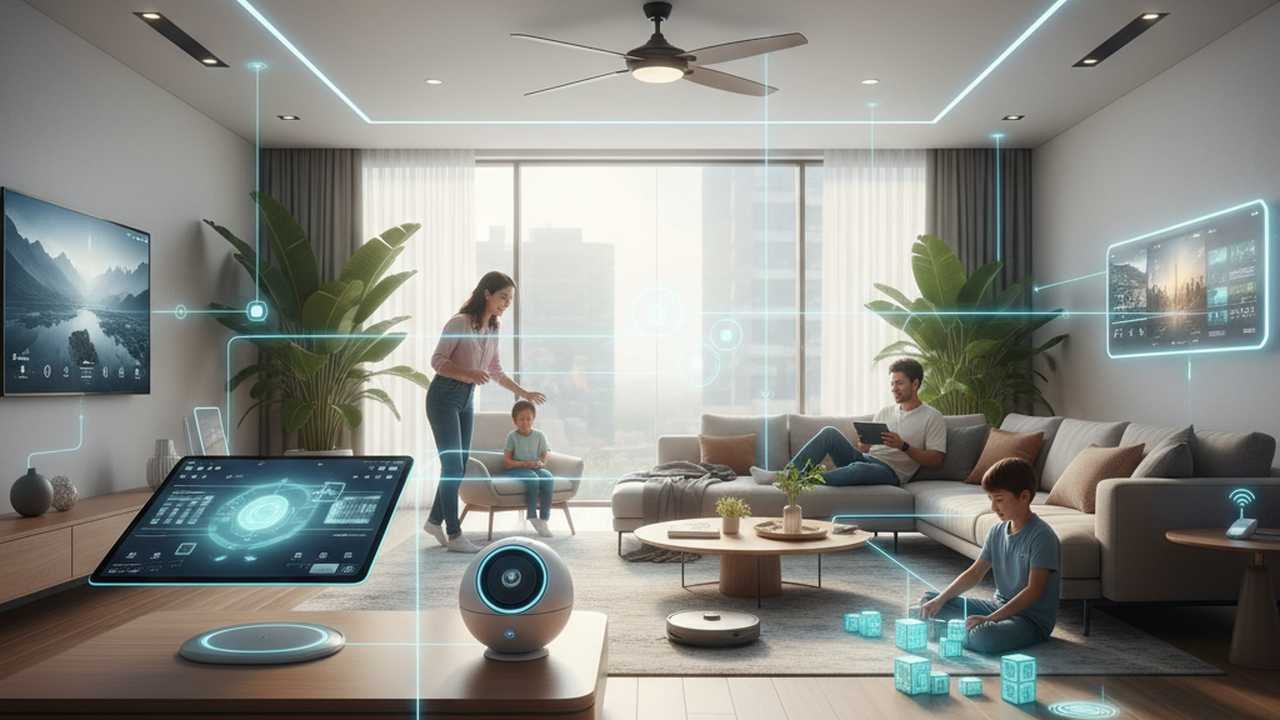
Imagine waking up to the soft glow of your bedroom lights gradually brightening, the aroma of freshly brewed coffee filling the air, and your favorite playlist gently playing in the background – all without lifting a finger. This isn’t a scene from a futuristic movie; it’s the reality of today’s smart homes. As technology continues to evolve, smart home products are transforming our daily routines, making them more efficient, convenient, and enjoyable. In this article, we’ll explore how these innovations are enhancing everyday life and why you should consider integrating them into your home.
1. The Rise of Smart Home Automation
Smart home automation has revolutionized the way we interact with our living spaces. With the advent of devices like smart thermostats, lighting systems, and voice-controlled assistants, managing your home has never been easier. Imagine adjusting your home’s temperature or lighting with a simple voice command or through an app on your smartphone. These systems learn your preferences over time, creating a personalized environment that adapts to your lifestyle. For instance, smart thermostats can reduce energy consumption by learning your schedule and adjusting temperatures accordingly, leading to significant savings on energy bills.
Beyond convenience, smart automation enhances security and safety. Smart locks and video doorbells allow you to monitor and control access to your home remotely, providing peace of mind whether you’re at work or on vacation. Additionally, smart sensors can detect motion, smoke, or carbon monoxide, alerting you instantly to potential hazards. These proactive measures ensure that your home is not only comfortable but also secure, giving you confidence in the safety of your loved ones and belongings.
2. Enhancing Daily Routines with Smart Devices
Smart devices are designed to simplify and enrich our daily routines. From smart speakers that play your favorite tunes to robot vacuums that clean your floors while you’re away, these gadgets save you time and effort. Smart refrigerators can track your grocery inventory and suggest recipes based on available ingredients, while smart ovens can be preheated remotely, ensuring your meals are cooked to perfection. These devices integrate seamlessly into your daily life, performing tasks efficiently and allowing you to focus on what truly matters.
Consider the impact of a smart coffee maker that starts brewing your morning cup as soon as your alarm goes off, or a smart mirror that displays the weather and your calendar events while you get ready. These small yet significant enhancements streamline your morning routine, setting a positive tone for the rest of the day. By automating mundane tasks, smart devices free up your time, enabling you to engage in more meaningful activities and experiences.
3. The Smart Home Ecosystem: Integration and Interoperability
One of the key advantages of smart home products is their ability to work together within a cohesive ecosystem. Platforms like Amazon Alexa, Google Assistant, and Apple HomeKit serve as central hubs, allowing various devices to communicate and function in harmony. This interoperability ensures that your smart lights, thermostats, locks, and other devices operate seamlessly, providing a unified user experience.
For example, you can set up routines where your smart thermostat adjusts the temperature when you leave for work, your lights turn off, and your security system arms itself – all triggered by your departure. Similarly, upon your return, another routine can disarm the security system, turn on the lights, and adjust the thermostat to your preferred setting. These automated sequences not only enhance convenience but also contribute to energy efficiency and home security, demonstrating the power of an integrated smart home ecosystem.
4. Smart Health and Wellness Products
Health and wellness have become central themes in the development of smart home products. Devices like smart beds and mattresses monitor your sleep patterns, providing insights that can help improve sleep quality. Smart air purifiers detect pollutants and allergens, ensuring the air you breathe is clean and healthy. Wearable devices track your physical activity and vital signs, offering data that can inform lifestyle adjustments and health decisions.
These innovations empower individuals to take control of their health by providing real-time data and personalized recommendations. For instance, if a smart mattress detects restless sleep patterns, it may suggest adjustments to your bedtime routine or environmental factors such as room temperature. Similarly, a smart air purifier can adjust its settings based on detected air quality, ensuring optimal conditions for breathing. By integrating these devices into your home, you create an environment that supports and enhances your well-being.
5. Smart Entertainment Systems
Entertainment has been transformed by smart technology, offering immersive experiences that were once unimaginable. Smart TVs provide access to a multitude of streaming services, allowing you to watch your favorite shows and movies in stunning high-definition. Voice-controlled assistants enable hands-free operation, letting you change channels, adjust volume, or search for content without lifting a remote.
Beyond traditional media, smart entertainment systems include features like ambient lighting that syncs with on-screen action, creating a more immersive viewing experience. Smart speakers deliver high-quality sound throughout your home, and multi-room audio systems allow you to enjoy music in every room. These advancements elevate your entertainment experience, making it more engaging and enjoyable, whether you’re hosting a movie night or relaxing with music after a long day.
6. Smart Home Security: Peace of Mind at Your Fingertips
Security is a top priority for homeowners, and smart home technology offers advanced solutions to protect your property and loved ones. Smart cameras and doorbells provide real-time video feeds, allowing you to monitor your home remotely. Motion detectors and window sensors alert you to unusual activity, while smart locks enable you to control access to your home from anywhere.
These systems can be integrated with emergency services, ensuring a swift response in case of a security breach. Additionally, many smart security devices offer features like facial recognition and activity zones, enhancing their effectiveness and reducing false alarms. By adopting smart security solutions, you gain greater control over your home’s safety, providing peace of mind whether you’re at home or away.
7. The Environmental Impact of Smart Homes
Smart homes contribute to environmental sustainability by promoting energy efficiency and reducing waste. Smart thermostats optimize heating and cooling, ensuring that energy is used efficiently. Smart lighting systems adjust brightness based on natural light levels, and smart appliances operate during off-peak hours to reduce energy consumption.
Furthermore, smart homes can monitor water usage, detecting leaks and inefficiencies that may go unnoticed. By identifying areas where resources are being wasted, homeowners can make informed decisions to conserve water and energy. These practices not only lower utility bills but also reduce the environmental footprint of your household, aligning with broader goals of sustainability and conservation.
8. The Future of Smart Homes: What’s Next?
The future of smart homes is promising, with continuous advancements in technology paving the way for even more innovative solutions. Artificial intelligence and machine learning are expected to play a significant role, enabling devices to learn and adapt to user behaviors more effectively. For instance, smart home systems may anticipate your needs before you even express them, adjusting settings proactively based on your routines and preferences.
Additionally, the integration of 5G technology will enhance the connectivity and responsiveness of smart devices, allowing for faster communication and more reliable performance. As these technologies evolve, smart homes will become more intuitive, efficient, and capable of providing personalized experiences that cater to the unique needs of each household.
In conclusion, smart home products are not just about convenience; they are about enhancing the quality of life. From simplifying daily tasks to improving health and security, these technologies offer tangible benefits that can transform your living space into a more comfortable and efficient environment. As these innovations continue to develop, the possibilities for improving daily life are limitless. Embracing smart home technology is not just a trend; it’s a step towards a more connected and intelligent future.
