
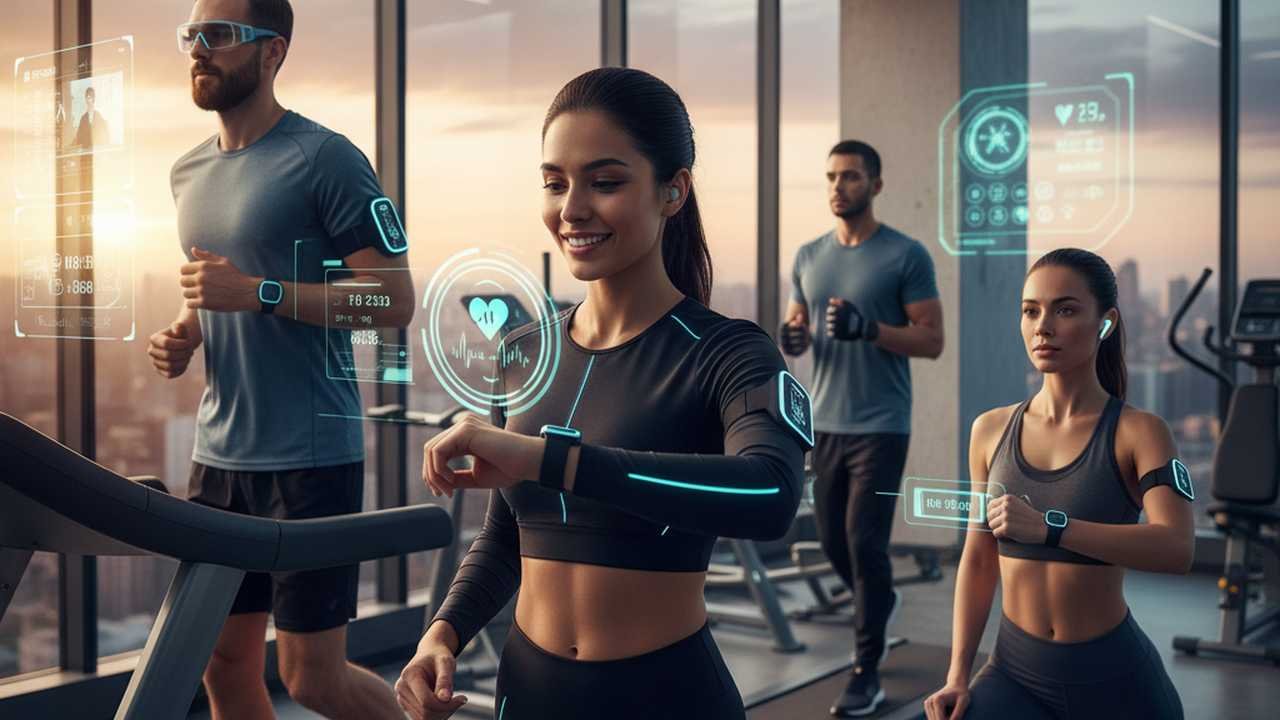
In the fast-paced world of 2025, wearable devices have transcended their role as mere accessories to become indispensable tools in health and fitness tracking. These innovations are not just tracking steps; they are revolutionizing how we understand and engage with our bodies. The integration of these devices into physical education programs is transforming classrooms into dynamic hubs of personalized health insights, motivating students to take control of their well-being like never before.
The Rise of Intelligent Wearables: A New Era in Health Monitoring
The latest wearable devices are equipped with advanced sensors and AI algorithms that provide real-time, actionable health data. Devices like the Apple Watch Series 10 and the Google Pixel Watch 4 offer features such as ECG monitoring, blood oxygen levels, and sleep analysis, giving users a comprehensive view of their health metrics. These devices do more than track; they interpret your body’s signals, offering insights that were once the domain of medical professionals. For instance, the Apple Watch Series 10’s Sleep Score and Liquid Glass visuals provide users with a deeper understanding of their sleep patterns, while the Google Pixel Watch 4’s Gemini AI integration acts as a personal health coach, offering contextual smart replies and proactive health suggestions.
These advancements are not limited to personal use. In educational settings, the integration of wearable technology into physical education programs is enhancing student engagement and performance. A study conducted at Guangdong University of Finance & Economics found that students who used wearable IoT devices during physical education classes showed significant improvements in physical performance metrics, highlighting the potential of these devices to enhance physical education outcomes.
AI-Powered Insights: Personalized Health at Your Fingertips
Artificial intelligence is at the heart of the latest wearable devices, transforming raw data into personalized health insights. Ultrahuman’s Blood Vision Cloud, for example, allows users to upload past medical test results and receive AI-generated clinician summaries, offering a ‘blood age’ score and personalized health recommendations. This level of personalization was previously unattainable without professional medical intervention. By integrating lifestyle data with blood biomarkers, these devices provide a holistic view of an individual’s health, enabling users to make informed decisions about their well-being.
In physical education programs, AI-powered wearables are being used to tailor fitness plans to individual students’ needs. By analyzing data such as heart rate variability, sleep patterns, and activity levels, educators can create customized training regimens that optimize performance and recovery. This personalized approach not only enhances physical fitness but also fosters a deeper understanding of the importance of health and wellness among students.
Seamless Integration: Wearables in Everyday Life
The latest wearable devices are designed to integrate seamlessly into daily life, offering features that go beyond health tracking. The Google Pixel Watch 4, for example, boasts dual-frequency GPS, satellite SOS messaging, and a far-field skin temperature monitor, making it a versatile companion for both fitness enthusiasts and everyday users. Similarly, the Apple Watch Series 10 offers features like Wrist Flick gesture controls and Emergency SOS, ensuring that users are always connected and protected.
This seamless integration extends to physical education programs, where wearables are being used to monitor students’ activity levels and provide real-time feedback. By tracking metrics such as steps taken, calories burned, and heart rate, educators can assess student engagement and adjust activities accordingly. This data-driven approach enhances the effectiveness of physical education programs, ensuring that students receive the most benefit from their physical activity.
Affordability Meets Functionality: Budget-Friendly Wearables
High-quality wearable devices are no longer exclusive to premium price points. The Amazfit Active 2, for instance, offers features like continuous heart rate tracking, blood oxygen monitoring, and AI-powered training tools at an affordable price point of just $81 during Amazon’s Prime Big Deal Days. This budget-friendly option provides users with access to advanced health tracking features without breaking the bank.
In the context of physical education programs, affordable wearables enable schools to equip students with the tools they need to monitor their health and fitness. By providing students with access to these devices, educators can promote a culture of health and wellness, encouraging students to take an active role in their physical education.
Enhanced Engagement: Gamification and Social Connectivity
Modern wearable devices are incorporating elements of gamification and social connectivity to enhance user engagement. Features like leaderboards, challenges, and social sharing allow users to compete with friends and share their achievements, fostering a sense of community and motivation. The Apple Watch Series 10’s Workout Buddy and Zepp Coach are examples of how wearables are using AI to provide personalized training plans and real-time feedback, making fitness more interactive and enjoyable.
In physical education programs, these features are being leveraged to increase student participation and motivation. By incorporating gamified elements into physical activities, educators can make fitness more engaging and fun, encouraging students to be more active and take ownership of their health.
Data Security and Privacy: Trusting Your Wearable Device
As wearable devices collect sensitive health data, ensuring data security and privacy is paramount. Leading manufacturers are implementing robust security measures to protect user data. For example, the Google Pixel Watch 4 employs advanced encryption protocols to safeguard user information, while the Apple Watch Series 10 offers features like two-factor authentication and secure data storage.
In physical education programs, the use of wearable devices necessitates strict adherence to data privacy regulations. Schools and educators must ensure that student data is collected, stored, and used in compliance with applicable laws and guidelines, maintaining the trust and confidence of students and parents alike.
The Future of Wearables: Beyond Fitness Tracking
The future of wearable devices extends beyond health and fitness tracking. Innovations like AI-driven smart sportswear, which uses textile strain sensors to monitor muscle activation and breathing patterns, are paving the way for next-generation fitness monitoring. These advancements promise to provide users with even more detailed insights into their physical performance, enabling more effective training and rehabilitation.
In physical education programs, the adoption of such technologies could revolutionize how students learn about their bodies and physical performance. By providing real-time feedback on exercise execution and biomechanics, educators can offer more personalized instruction, helping students improve their skills and understanding of physical activity.
Making the Right Choice: Selecting the Best Wearable for Your Needs
With a plethora of wearable devices available, selecting the right one can be daunting. Factors to consider include compatibility with your smartphone, battery life, health tracking features, and price point. For instance, the Apple Watch Series 10 offers comprehensive health tracking features but is compatible only with iPhones. On the other hand, the Amazfit Active 2 is compatible with both iOS and Android devices, making it a versatile choice for a wider range of users.
In physical education programs, the choice of wearable device should align with the goals of the curriculum and the needs of the students. Educators should consider factors such as ease of use, durability, and the ability to integrate with existing systems when selecting devices for classroom use.
If you are curious about the latest innovations in health monitoring devices, the insights from the Randolph Education Center can provide valuable guidance.
If you are intrigued by the latest innovations in home automation, explore how tbs education barcelona is shaping the future of convenience and connectivity in smart homes.
