
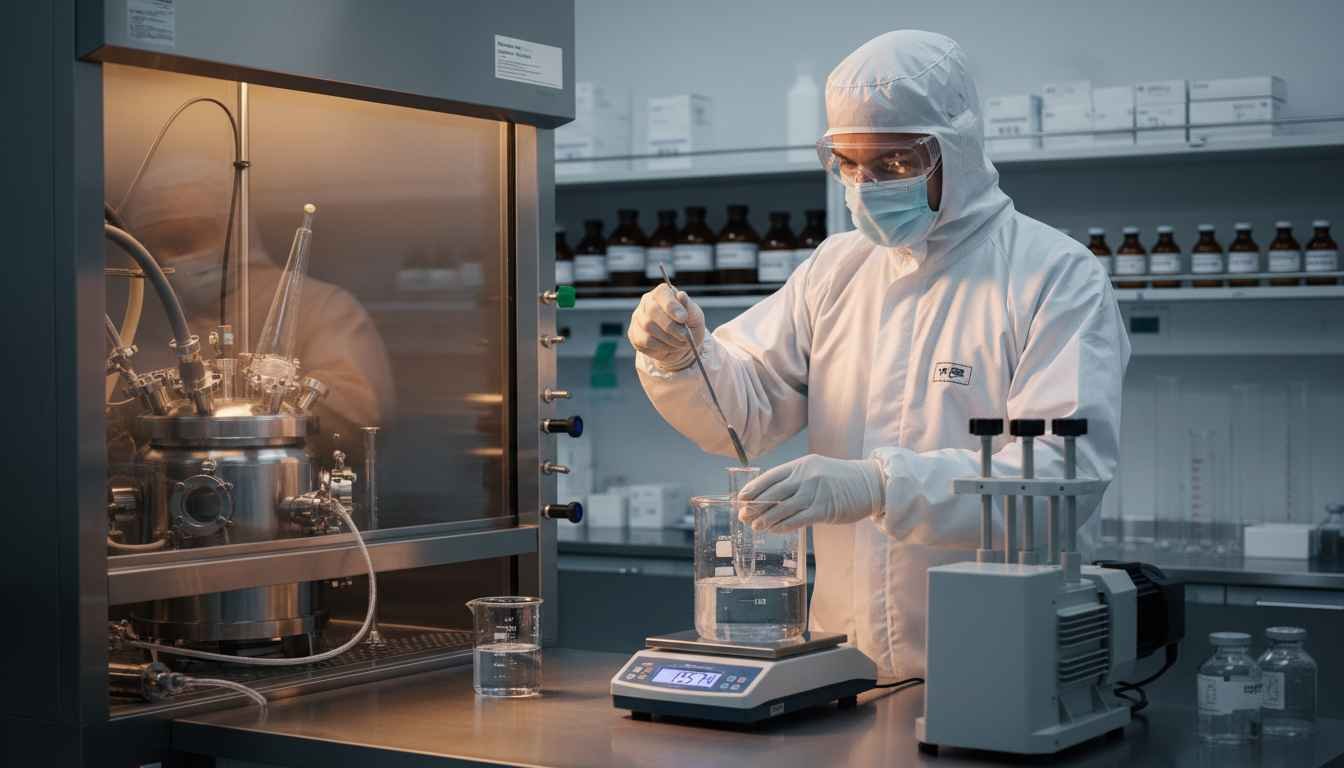
Struggling with inconsistent yields and unpredictable stability in your drug product development can halt progress before it even begins. Clinical batch manufacturing is the critical stage where precision, compliance, and scalability intersect. Each batch is a rigorous test of formulation integrity, process reproducibility, and regulatory adherence.
The process begins with careful raw material selection. Active pharmaceutical ingredients (APIs), excipients, and packaging components must meet stringent pharmacopeial standards. Any variation can compromise bioavailability or stability, leading to costly delays in clinical trials. Implementing a robust incoming quality control (IQC) protocol ensures every input aligns with the required specifications.
Once materials are approved, the formulation stage demands exact measurements and controlled environmental conditions. Temperature, humidity, and mixing speed can all influence the final product. Automated systems and validated protocols help maintain consistency, but human oversight is equally essential. Here, selecting the right containment and storage solutions, such as specialized bottles, jars, or vials, is crucial. Plastic Bottles, Jars & Specialty Containers Bottlestore.com offers a wide range of compliant containers that meet regulatory requirements for clinical trials and stability studies.
Step-by-Step Clinical Batch Manufacturing Routine
Think of clinical batch manufacturing as a workout routine for your drug development pipeline. Each stage strengthens the product’s quality profile and ensures regulatory compliance. Here’s a strategic breakdown:
1. Material Conditioning
Condition all raw materials under controlled environments. Hydroscopic excipients may require pre-drying, while APIs must be protected from light or moisture. This stage minimizes variation and sets the foundation for consistent batch performance.
2. Precise Formulation Mixing
Combine APIs and excipients using validated procedures. Employ homogenizers or high-shear mixers when necessary to achieve uniform particle distribution. Monitor critical parameters such as mixing time, temperature, and pH continuously.
3. Batch Size and Scaling Considerations
Clinical batches are usually small, but scaling down or up requires careful attention. Equipment selection must support the batch size without compromising process dynamics. Process simulation and small-scale trials can preempt potential issues during full-scale manufacturing.
4. In-Process Testing
Conduct rigorous in-process testing (IPT) at defined intervals. Content uniformity, weight variation, and moisture content are key indicators. Detecting deviations early allows corrective actions before the batch is finalized, saving time and reducing waste.
5. Packaging and Containment
Choose containers that maintain product integrity. Factors such as oxygen permeability, light protection, and closure integrity must align with regulatory expectations. Proper labeling and traceability are equally critical during clinical trials to ensure compliance and patient safety.
Checklist for Efficient Clinical Batch Manufacturing
Follow this checklist to maintain quality and regulatory compliance:
– Validate all raw materials and excipients
– Maintain controlled environmental conditions during processing
– Monitor mixing parameters and batch consistency
– Conduct in-process testing at critical stages
– Select containers that preserve stability and meet regulatory standards
– Document every step for traceability and audit readiness
Potential Drawbacks
While clinical batch manufacturing ensures high product quality, it comes with potential challenges. High operational costs, complex process validation, and the need for specialized equipment can be prohibitive for smaller manufacturers. Additionally, minor deviations can result in batch rejection, increasing timelines for clinical trials. Understanding these risks and planning accordingly is essential for strategic decision-making.
Regulatory scrutiny is another factor to consider. Agencies expect detailed batch records, justification for process parameters, and thorough stability data. Non-compliance can delay approvals and increase operational costs significantly.
Optimizing for Success
Success in clinical batch manufacturing hinges on an integrated approach: precise material handling, validated process parameters, compliant packaging, and rigorous documentation. Adopting modular, flexible manufacturing units can also provide agility for multiple formulations or rapid adjustments. Investing in high-quality containers and reliable storage solutions not only protects your product but streamlines regulatory approval processes, ensuring your clinical trials move forward without unnecessary hurdles.
Strategically approaching clinical batch manufacturing as a structured routine rather than a one-off process empowers your team to deliver consistent, high-quality drug products. Every step, from raw material selection to final packaging, reinforces stability, efficacy, and compliance.
