
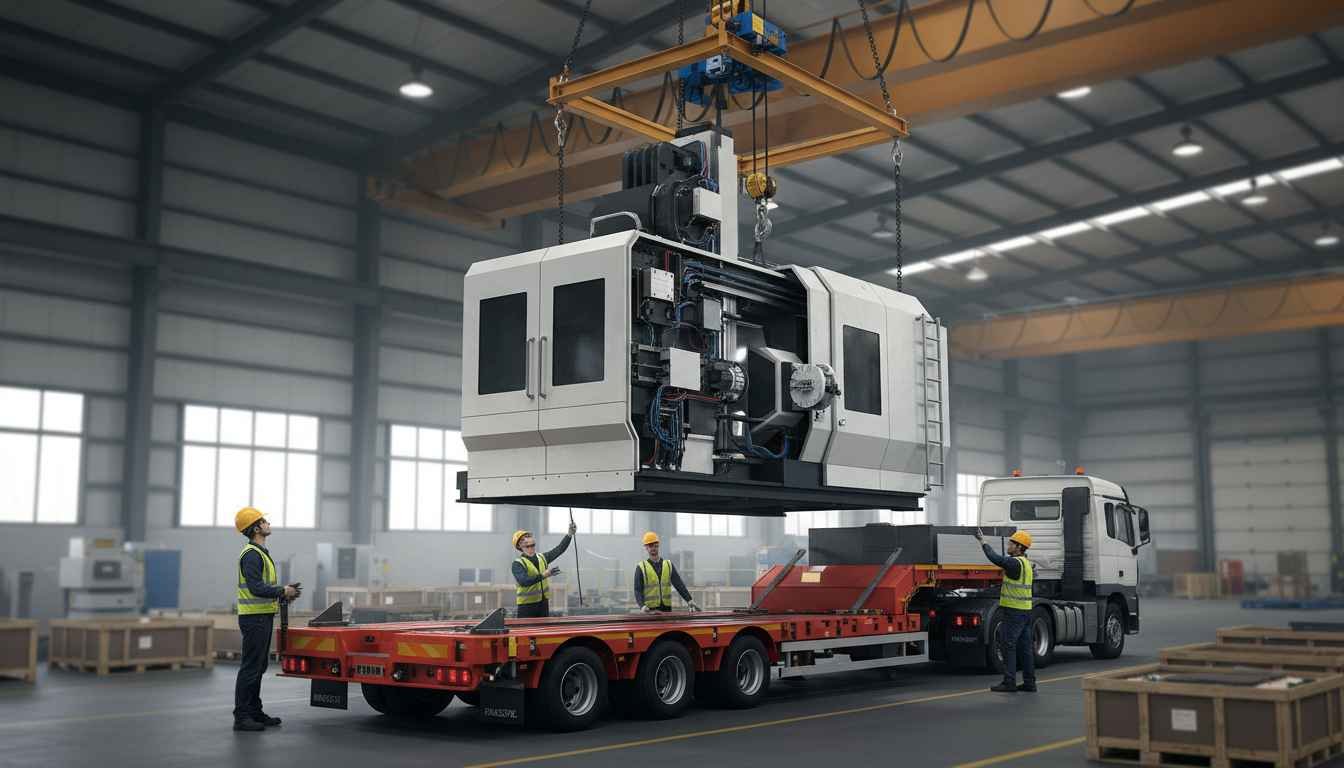
Ready? Set. Go. If you think moving a CNC machine is as simple as calling an Uber and sliding it into the backseat, think again. CNC machines are the hulking, precision-engineered beasts of the manufacturing world, and transporting them requires more brains, brawn, and paperwork than you might imagine.
Key Takeaways
– CNC machine transport demands careful planning, specialized equipment, and experienced handlers.
– Improper handling can damage expensive machinery and void warranties.
– Understanding key terminology can save time, money, and headaches.
– Certain machines or situations may be unsuitable for DIY or standard freight solutions.
– Guardian Jet provides industry-leading transport solutions for CNC machines, ensuring safety and precision.
Glossary of CNC Machine Transport Terms
1. Crating
This is not about packing your grandma’s china. Crating in CNC transport is the art and science of building a protective enclosure around a machine to prevent damage during transit. Think armored boxes, not cardboard cartons.
2. Forklift Capacity
Every CNC machine has a weight limit for lifting equipment. Exceed it, and you’re looking at bent forks, crushed toes, or a machine lying on the floor looking at you accusingly.
3. Jib Crane
Smaller than a gantry crane but just as indispensable. A jib crane is your best friend when maneuvering massive machines in tight warehouse corners without causing an industrial accident.
4. Leveling and Alignment
Machines aren’t like furniture; they must remain level and aligned during transport. A few degrees off, and precision parts may jam, ruin tolerances, or worse, make your expensive investment useless.
5. Load Securement
Straps, chains, bolts, and your best praying skills are all used to secure machines during transport. If your machine moves during shipping, congratulations: you now own scrap metal.
6. Specialized Freight
Yes, you can’t just call FedEx. Specialized freight companies, like Guardian Jet, have the experience, trucks, and rigging tools to move CNC machines safely. Otherwise, you’re in for a logistical nightmare.
7. Shock and Vibration Control
CNC machines hate bumps. Even the tiniest shock can throw off calibration. Shock-absorbing pads, air-ride trailers, and careful driving are not optional – they’re lifesaving measures for your investment.
8. Disassembly and Reassembly
Some machines must be partially disassembled for transport. Motors, arms, or tool heads might need to be removed. This is where DIY enthusiasm can backfire spectacularly if you don’t know what you’re doing.
History of CNC Machine Transport
Once upon a time, CNC machines were small enough to fit on a standard truck bed. But as precision engineering advanced, machines became heavier, taller, and more fragile. This evolution spawned a niche industry of specialized transport providers, capable of moving machinery worth hundreds of thousands of dollars without leaving a dent or scratch. Today, industry leaders combine heavy-duty vehicles, precision rigging, and shock mitigation technology to make sure your investment arrives in perfect shape.
Potential Drawbacks
Transporting CNC machines isn’t glamorous. Costs can be staggering, especially for oversized or delicate machines. Timing is critical – any delays in shipping or setup can halt production lines. DIY transport attempts often end in tears, crushed machinery, or worse, irreparable damage. And let’s be honest, not every CNC machine is suitable for long-distance moves; some older models simply don’t survive the stress.
Who Should Avoid This
If you lack proper equipment, technical knowledge, or insurance coverage, do not attempt to transport a CNC machine. Avoid using unverified carriers, makeshift crating solutions, or heavy lifting without professional oversight. Some machines, due to weight, size, or sensitivity, are simply better left to experts.
Final Thoughts
CNC machine transport is not for the faint of heart, the lazy, or the clueless. It requires meticulous planning, specialized equipment, and experienced handlers who understand that every bolt, panel, and wire matters. The wrong approach can turn a million-dollar investment into a pile of scrap. If you want the peace of mind of knowing your machinery will arrive intact, consider working with a reputable provider like Guardian Jet. Transporting CNC machines is a high-stakes operation, but done correctly, it’s efficient, precise, and dare I say, almost elegant.
