
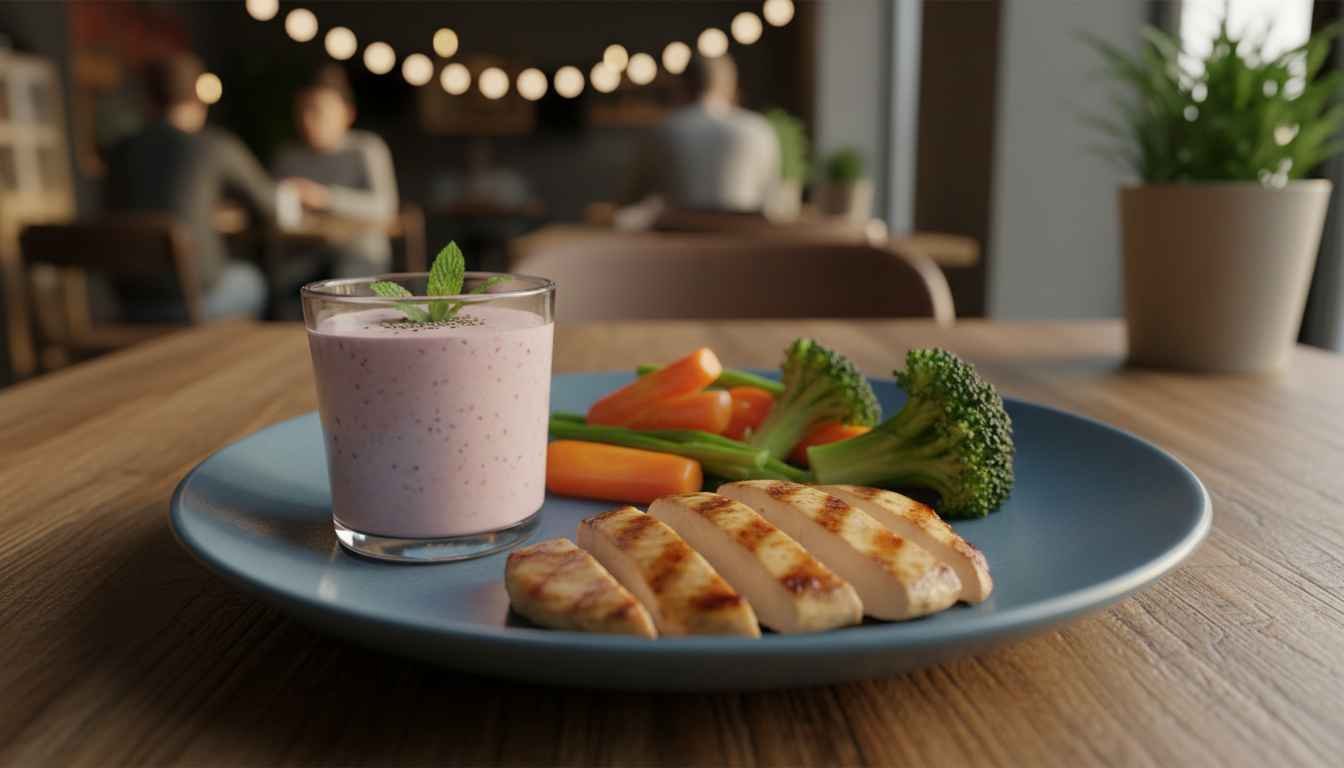
Back in the days before surgery, grabbing a quick bite meant whatever was fast and convenient, usually loaded with fat, sugar, and sodium. I remember the thrill of a drive-thru run after a long day, oblivious to the toll it could take on a stomach that would one day shrink dramatically. Fast forward to post-bariatric life, and suddenly, that same burger or sandwich feels like a mountain to climb, both literally and nutritionally.
Bariatric fast food isn’t about depriving yourself; it’s about rethinking convenience. After weight-loss surgery, your stomach’s capacity is dramatically reduced, and nutrient absorption changes. This means what used to be a single meal can now overwhelm your body, leading to discomfort or even complications. Understanding how to navigate fast food while meeting your new dietary needs is critical for success.
Understanding Bariatric-Friendly Fast Food
Traditional fast food is often high in calories, low in protein, and rich in simple carbohydrates. Post-bariatric surgery, patients need meals that prioritize protein, maintain hydration, and limit sugar and fat. Bariatric-friendly fast food focuses on smaller portions, protein-rich ingredients, and options that are easy to digest.
For example, grilled chicken sandwiches without the bun, salads with lean protein, or even small yogurt parfaits can be modified to fit your nutritional needs. The goal is not to avoid convenience but to make it safe and supportive of your recovery.
Many fast food chains now offer items that can be customized. Removing buns, opting for water or unsweetened drinks, and asking for extra vegetables can make a huge difference. The key is preparation – knowing what to choose before you arrive.
Protein: The Cornerstone of Bariatric Fast Food
Protein is essential for healing and maintaining muscle mass after bariatric surgery. Your meals should contain at least 20–30 grams of protein when possible. Grilled chicken, turkey patties, egg-based items, or protein shakes from the store can supplement fast food choices. Even small adjustments, like swapping fries for a side salad, support your protein-focused strategy.
Hydration and Timing
One common post-surgery challenge is separating fluid intake from meals. Drinking too much before, during, or immediately after eating can stretch your stomach and cause discomfort. Most bariatric programs recommend waiting 30 minutes before and after meals to drink water. At fast food restaurants, ordering a smaller drink or holding off until after eating helps maintain this balance.
Top Bariatric-Friendly Fast Food Options
Below are practical options you can find at common fast food chains. Remember, portion control and protein prioritization are key:
Grilled chicken salads with a light dressing
Egg white breakfast sandwiches or wraps
Protein bowls with lean meat, vegetables, and minimal rice or grains
Mini burger patties without buns
Greek yogurt parfaits or small cottage cheese cups
For more tips on healthy meal planning and quick modifications for everyday convenience, Julia’s Cuisine offers hundreds of family-tested recipes that can inspire bariatric-friendly fast food swaps.
Potential Drawbacks and Who Should Avoid Certain Options
While bariatric-friendly fast food can be convenient, it’s not without risks. Fried items, sugary beverages, and high-fat sauces can still trigger dumping syndrome or slow weight loss. Individuals with specific digestive sensitivities, food intolerances, or a history of postoperative complications should consult their surgeon or dietitian before including fast food regularly.
Additionally, relying heavily on fast food – even in modified form – can make it harder to meet micronutrient needs. Regularly rotating fresh, home-prepared meals with occasional fast food helps ensure adequate vitamins, minerals, and fiber.
Alternative Options for Different Budgets
Not all bariatric-friendly fast food options are created equal, and cost can vary. For those on a tighter budget, smaller chain restaurants or meal prepping protein-rich snacks can help. Hard-boiled eggs, pre-cooked chicken strips, or cottage cheese cups provide inexpensive, high-protein alternatives. For those seeking luxury or specialty chains, protein bowls and fresh salads with lean meats are accessible but may cost more. Planning ahead ensures both safety and affordability.
Tips for Safe Fast Food Consumption
Always check nutritional information, if available, and prioritize protein first. Opt for smaller portions and ask for modifications when possible. Carry healthy snacks as a backup, like protein bars or nuts, in case your choices are limited. Keep a journal to monitor how different foods affect your comfort and digestion, which helps refine your fast food strategy over time.
Glossary
Bariatric Surgery: Medical procedures that reduce stomach size or absorption to aid weight loss.
Dumping Syndrome: Rapid gastric emptying that can cause nausea, diarrhea, or dizziness after eating sugar-rich foods.
Protein Focused: Emphasizing foods high in protein to maintain muscle mass and promote healing.
Micronutrients: Vitamins and minerals required in small amounts for body function.
Final Thoughts
Bariatric fast food doesn’t have to be a forbidden indulgence. With planning, portion control, and protein prioritization, you can enjoy convenience safely. The key is to stay informed, monitor your body’s response, and integrate fresh, nutrient-rich foods into your daily routine. By making thoughtful modifications, fast food can fit into a balanced post-bariatric lifestyle, supporting your weight loss goals and overall wellbeing.
